









QUICK LINKS
CONTACT INFORMATION
Email – info@filioforce.ca
Address – 2501-565 Sherbourne st, Toronto, Canada, ON M4X 1W7



Over the past few years, the Zero Trust model has evolved from a niche concept into one of the key trends in corporate cybersecurity. As noted by Filio Force Inc, an increasing number of companies worldwide are moving away from the traditional perimeter-based approach to security and adopting an architecture in which no user, device or request is considered trusted by default.
The traditional approach to protecting corporate networks was based on the concept of a secure perimeter: everything within the corporate network was considered safe, whilst threats were expected to come only from outside. This logic worked as long as staff were in the office and used only corporate devices, according to experts at Filio Force IT Company. With the rise of remote working, cloud services and mobile applications, the boundary between the internal network and the outside world has effectively disappeared.
As a result, an attacker who gained access to even a single account often found a way into the company’s entire infrastructure. It is precisely this scenario – a breach within what was supposedly a secure perimeter – that has become one of the main causes of mass data leaks in recent years.

Zero Trust is based on the opposite logic – every request for access to data or services is re-verified, regardless of where it originates: from the office, from home or via a VPN. Not only is the user’s identity verified, but also the status of the device they are connecting from, as well as the context of the request – time, location and type of operation.
This approach relies on several key elements: multi-factor authentication, network micro-segmentation, continuous activity monitoring, and granting users only the minimum necessary access rights. Even if a single network node is compromised, an attacker will not be able to move freely through the rest of the infrastructure, emphasise the experts at Filio Force.
The widespread adoption of Zero Trust by businesses is linked to several factors at once. Firstly, the rise in targeted attacks and data breaches has forced company executives to rethink their approach to internal network security. Secondly, the permanent adoption of a hybrid working model has rendered traditional perimeter-based solutions ineffective – employees now access corporate resources from a wide variety of devices and locations.
The development of cloud technologies also plays a part – data and applications have long since ceased to be located in a single place, rendering the very idea of a single secure perimeter obsolete. Finally, growing pressure from regulators and data protection requirements are pushing businesses towards stricter and more transparent access control models.

The transition to Zero Trust is neither a quick nor a cheap process. It requires a review of the entire network architecture, the integration of new monitoring tools and staff training, according to Filio Force Inc. For large organisations with complex infrastructure, this could take more than a year.
Nevertheless, analysts agree that Zero Trust will cease to be merely a buzzword and will become the de facto industry standard. Companies that are already implementing this model gain a significant advantage – they are better prepared for next-generation attacks and are able to detect and contain incidents more quickly, before they cause serious damage to the business.
Every business owner focuses their resources on making their business thrive, increasing sales and growing profits. If you are an e-commerce business, you have a website that is the storefront for your shop or service. Naturally, you want your product pages, services or articles to rank highly in search engine results. Therefore, your website needs comprehensive promotion. The main aspects of this are described by the specialists at Filio Force Inc.
Filio Force Inc. specialists use various modern IT technologies in their work. Today we will look at the programming language.
Machine learning is a branch of artificial intelligence that focuses on creating systems that learn and evolve based on the data they receive. Self-driving cars and voice assistants on smartphones are technologies based on machine learning. Self-driving cars use computer vision technology. Voice assistants use speech and sound recognition technology.
Software as a Service (SaaS) is a subscription-based software licensing model. The provider develops and maintains applications, programs, places them in the cloud and makes them available to the user. The customer pays for access and receives an out-of-the-box tool.
Almost every company in the modern economy is involved in business process automation in one way or another. The introduction of scripts, intelligent robots, CRM systems, etc. provides opportunities for business development, increasing profits and reducing costs.
If your company is not present in the digital world, consider that no one knows about it. Nowadays, people look for almost all the information they need on the Internet. Therefore, if you want your business to be successful, you must have an online presence. This requires a website and preferably a mobile application that your customers can install on their smartphones. However, not all businesses can afford to develop both a website and an app. The solution is PWAs.
Progressive Web Applications (PWAs) are applications built using web technologies that can be installed and run on all devices from a single code base. This is the definition provided by Microsoft.
Good code is clean code. Code quality affects the quality of software, its safety, security, and reliability. It is also a parameter determining the level and professionalism of developers.
The important stage in the process of development of any software is code checking. To do it manually is labour-intensive, troublesome, long and, as the result, expensive. Automation of the processes makes life of engineers easier and raises the efficiency of the development process itself. A serious verification system is able to generate test logic and run tests by itself to identify errors.
ChatGPT is an artificial intelligence (AI)-based model. It learns from massive amounts of data and uses contextual data to improve the quality of its responses. Why is ChatGPT so controversial? On the one hand, the chatbot is a useful online security tool, but at the same time, hackers and cybercriminals are already interested in it.
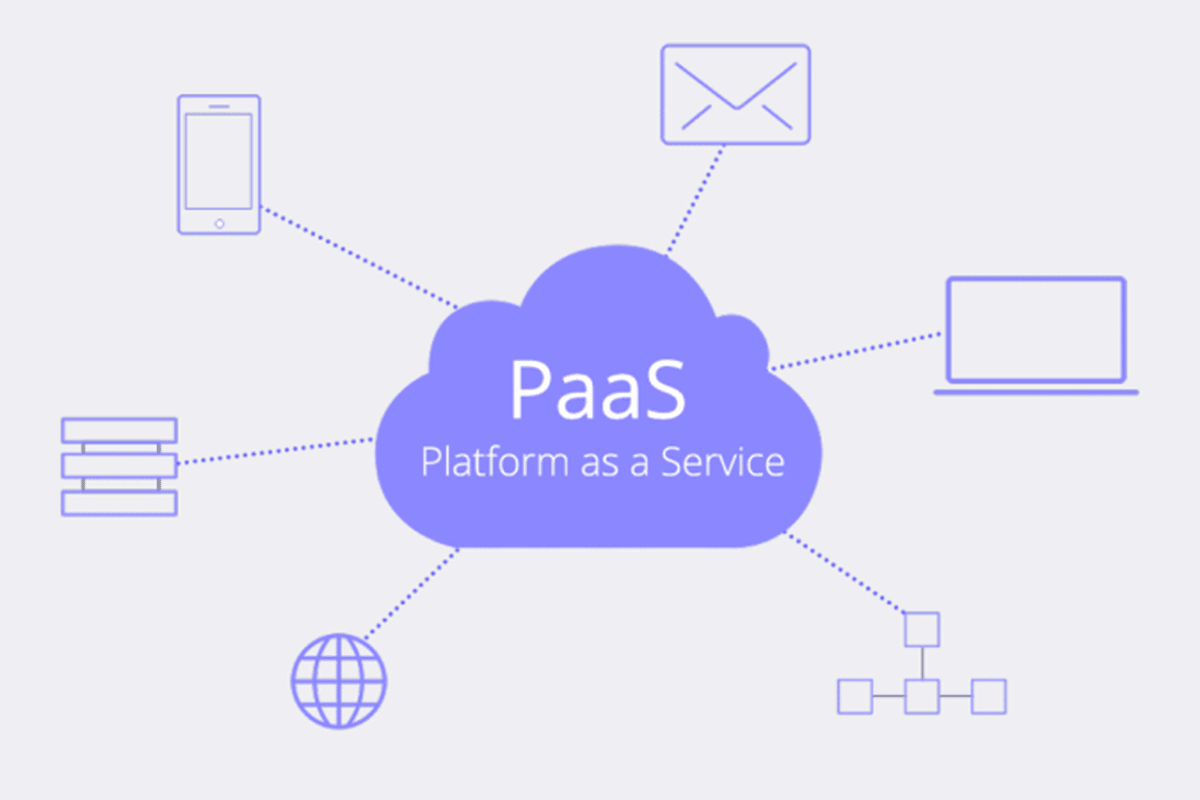
PaaS – Platform-as-a-service. You don’t need to create your own solutions and tools to develop and use complex systems. You can use PaaS, which has everything you need. In the past, developers had to pick and buy a lot of different tools from different vendors. You had to maintain and integrate them, and they needed constant oversight. As the digital product develops, the number of tools used increases, and auxiliary solutions appear. As a result, everything becomes complex, and business processes become cumbersome and unmanageable.
Mobile gadgets will dominate eCommerce.
This trend is supported by the increase in sales: in particular, in 2023, revenue from global retail sales through smartphones rose to 3.57 trillion dollars, compared with a “modest” 2.91 trillion dollars a year earlier. This is not surprising given that there are already 5.3 billion smartphone users worldwide, which is the vast majority of the world’s population.
ERP system or production resource planning system is a software that helps to keep records, plan and distribute all tangible and intangible resources of the company – finance, inventory, raw material stocks and even personnel. Thanks to a competent integrated approach it is possible to increase the productivity of the enterprise, reduce costs, reduce downtime, increase efficiency and, accordingly, profits. This is why such solutions are extremely popular. Implementation of ERP in production requires a careful and thoughtful approach, thorough preparation and readiness for changes on the part of both company management and all its employees.
Email – info@filioforce.ca
Address – 2501-565 Sherbourne st, Toronto, Canada, ON M4X 1W7