








QUICK LINKS
CONTACT INFORMATION
Email – info@filioforce.ca
Address – 2501-565 Sherbourne st, Toronto, Canada, ON M4X 1W7



Modern neural networks are capable of recognising images, transcribing speech and reading text. However, as the experts at Filio Force Development point out, these are all different tasks, each solved by different models. The next stage in the development of artificial intelligence involves something fundamentally different: systems that perceive the world as holistically as humans do.
Today’s multimodal systems are capable of processing text, sound and images simultaneously. However, experts at Filio Force Canada point to a fundamental limitation: the models do not understand the physics of the real world. They do not know that a glass of water cannot be overturned without consequences. They cannot perceive depth, weight or temperature. They recognise images, but do not model reality.
According to researchers from MIT and DeepMind, current AI ‘memorises the world’ rather than ‘understands’ it. A model trained on billions of photos of cats has not the faintest idea of how a cat moves in space, what its weight is, or how it reacts to being touched. This is a fundamental difference that separates the current generation of systems from the next.
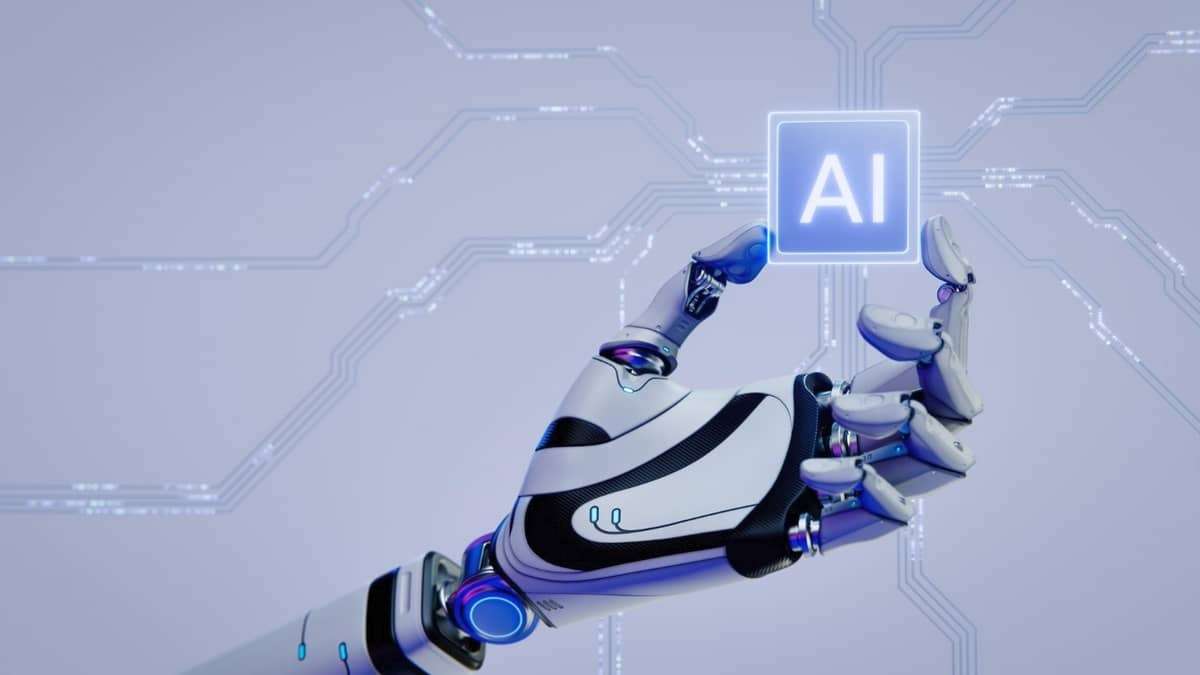
Researchers are giving the term ‘Multimodality 2.0’ a specific meaning: models capable of constructing an internal physical model of the environment. It is not simply a matter of seeing a hand reaching for a mug, but of predicting what will happen next and adjusting behaviour in real time. Experts at Filio Force Development highlight one of the key areas of focus at present – so-called World Models: architectures that create an internal representation of reality and use it to predict events, rather than simply classifying incoming data. In parallel, the field of Embodied AI is developing, where agents are trained through direct interaction with the physical environment. This approach fundamentally changes the logic of learning: instead of passively absorbing data, the system actively explores the world and forms cause-and-effect relationships based on its own experience.
Analysts are divided in their predictions. Optimists suggest a timeframe of three to five years, whilst sceptics point out that current transformer architectures are ill-suited to modelling physical cause-and-effect chains and will require a major overhaul.
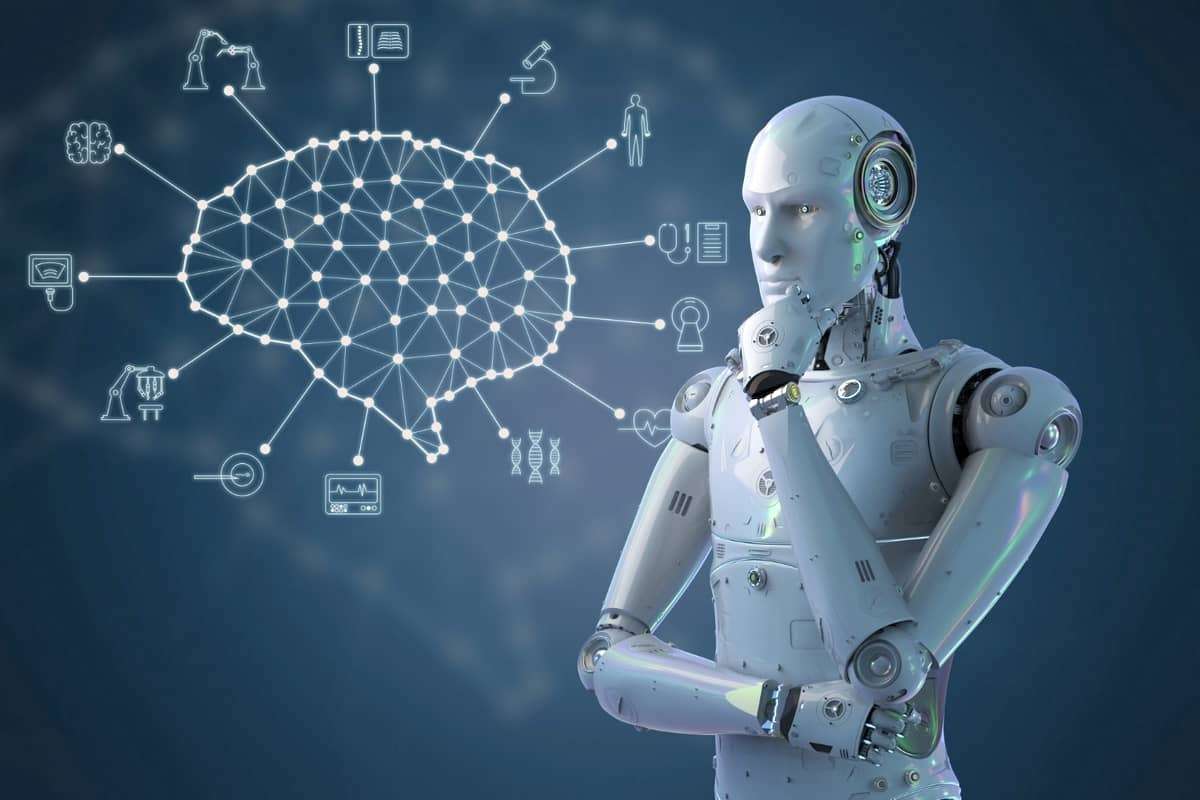
The first signs of a shift, however, are already visible, according to experts at Filio Force IT Company. In particular, Google DeepMind has unveiled the RT-2 model, which transfers knowledge from text and images directly into robot control, bypassing manual programming. OpenAI and the start-up Physical Intelligence are actively ramping up investment in next-generation robotics, where an understanding of physics is becoming not an option but a basic requirement.
A true understanding of the physical world remains an unsolved problem for AI for the time being. But the industry seems to have finally formulated the right question. And that, as a rule, is half the answer.
Every business owner focuses their resources on making their business thrive, increasing sales and growing profits. If you are an e-commerce business, you have a website that is the storefront for your shop or service. Naturally, you want your product pages, services or articles to rank highly in search engine results. Therefore, your website needs comprehensive promotion. The main aspects of this are described by the specialists at Filio Force Inc.
Filio Force Inc. specialists use various modern IT technologies in their work. Today we will look at the programming language.
Machine learning is a branch of artificial intelligence that focuses on creating systems that learn and evolve based on the data they receive. Self-driving cars and voice assistants on smartphones are technologies based on machine learning. Self-driving cars use computer vision technology. Voice assistants use speech and sound recognition technology.
Software as a Service (SaaS) is a subscription-based software licensing model. The provider develops and maintains applications, programs, places them in the cloud and makes them available to the user. The customer pays for access and receives an out-of-the-box tool.
Almost every company in the modern economy is involved in business process automation in one way or another. The introduction of scripts, intelligent robots, CRM systems, etc. provides opportunities for business development, increasing profits and reducing costs.
If your company is not present in the digital world, consider that no one knows about it. Nowadays, people look for almost all the information they need on the Internet. Therefore, if you want your business to be successful, you must have an online presence. This requires a website and preferably a mobile application that your customers can install on their smartphones. However, not all businesses can afford to develop both a website and an app. The solution is PWAs.
Progressive Web Applications (PWAs) are applications built using web technologies that can be installed and run on all devices from a single code base. This is the definition provided by Microsoft.
Good code is clean code. Code quality affects the quality of software, its safety, security, and reliability. It is also a parameter determining the level and professionalism of developers.
The important stage in the process of development of any software is code checking. To do it manually is labour-intensive, troublesome, long and, as the result, expensive. Automation of the processes makes life of engineers easier and raises the efficiency of the development process itself. A serious verification system is able to generate test logic and run tests by itself to identify errors.
ChatGPT is an artificial intelligence (AI)-based model. It learns from massive amounts of data and uses contextual data to improve the quality of its responses. Why is ChatGPT so controversial? On the one hand, the chatbot is a useful online security tool, but at the same time, hackers and cybercriminals are already interested in it.
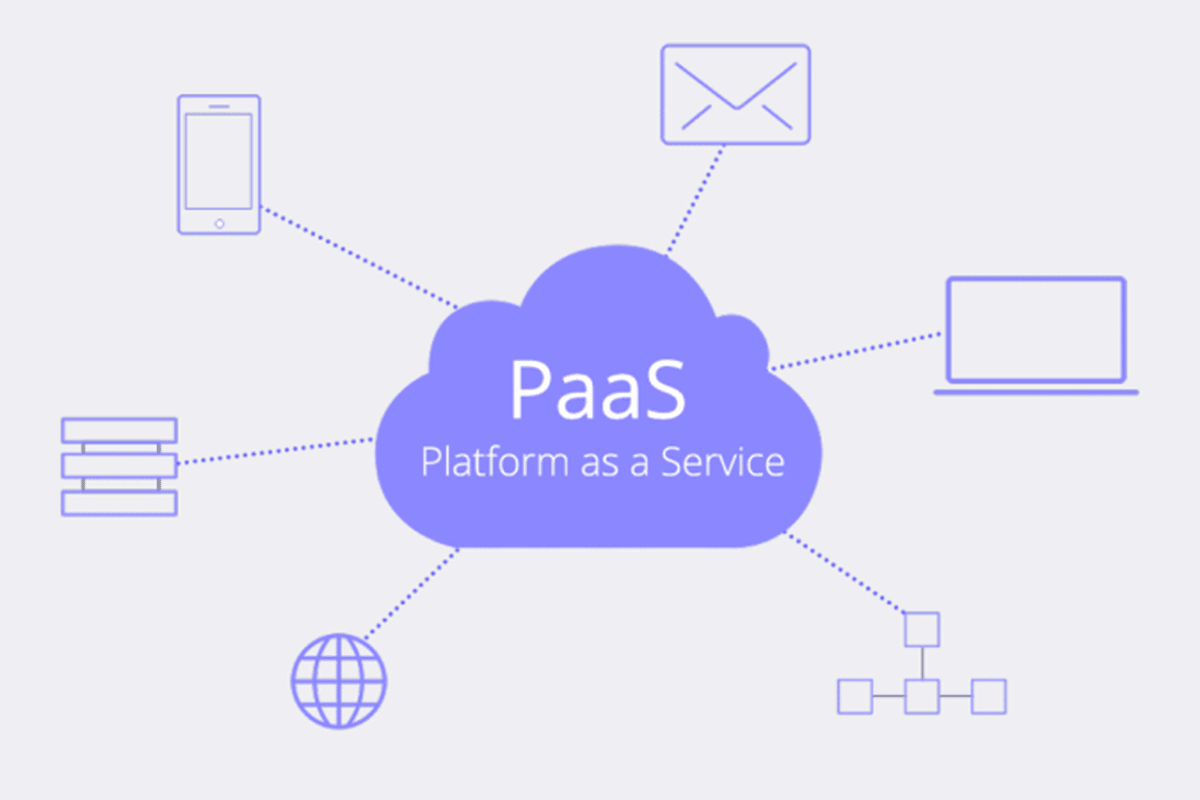
PaaS – Platform-as-a-service. You don’t need to create your own solutions and tools to develop and use complex systems. You can use PaaS, which has everything you need. In the past, developers had to pick and buy a lot of different tools from different vendors. You had to maintain and integrate them, and they needed constant oversight. As the digital product develops, the number of tools used increases, and auxiliary solutions appear. As a result, everything becomes complex, and business processes become cumbersome and unmanageable.
Mobile gadgets will dominate eCommerce.
This trend is supported by the increase in sales: in particular, in 2023, revenue from global retail sales through smartphones rose to 3.57 trillion dollars, compared with a “modest” 2.91 trillion dollars a year earlier. This is not surprising given that there are already 5.3 billion smartphone users worldwide, which is the vast majority of the world’s population.
ERP system or production resource planning system is a software that helps to keep records, plan and distribute all tangible and intangible resources of the company – finance, inventory, raw material stocks and even personnel. Thanks to a competent integrated approach it is possible to increase the productivity of the enterprise, reduce costs, reduce downtime, increase efficiency and, accordingly, profits. This is why such solutions are extremely popular. Implementation of ERP in production requires a careful and thoughtful approach, thorough preparation and readiness for changes on the part of both company management and all its employees.
Email – info@filioforce.ca
Address – 2501-565 Sherbourne st, Toronto, Canada, ON M4X 1W7